
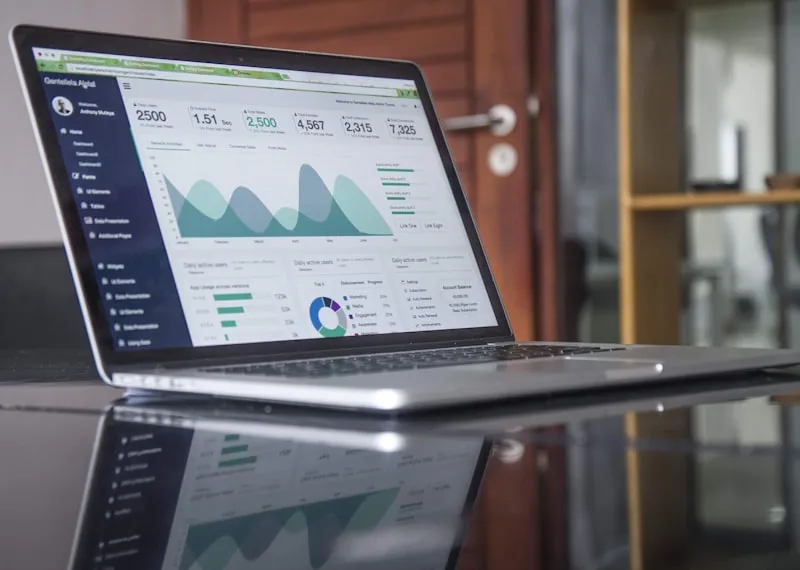
In 2026, search engine optimization is no longer limited to keyword positioning and simple backlink indices. Google's ranking algorithms prioritize actual user experiences. Websites that fail to satisfy Core Web Vitals metrics are penalised in search rankings, driving organic traffic directly to faster competitors.
1. The Big Three Metrics You Must Master
Google evaluates web performance using three primary performance indices, which measure page loading speed, visual stability, and interactive responsiveness:
- Largest Contentful Paint (LCP): Measures perceived loading speed. Marks the point when the page's main content has likely loaded. Standard target: Under 2.5 seconds.
- Interaction to Next Paint (INP): Measures page responsiveness. Replaced FID to capture total interactive thread delay. Standard target: Under 200 milliseconds.
- Cumulative Layout Shift (CLS): Measures visual stability by tracking sudden layout shifts. Standard target: Under 0.1.
"Google aims to surface websites that user bases enjoy navigating. A page that shifts content visually or stutters on taps fails the core experience index."
2. Tactical Optimizations for LCP & CLS
To pull your metrics into the optimal "green" zone, follow these structural guidelines:
Key Optimization Steps:
- Image Size Constraints: Always specify explicit height and width attributes on HTML tags to prevent layout shifts.
- Modern Formats: Convert visual assets to Next-Gen formats like WebP or AVIF to reduce payload size by up to 60%.
- Critical CSS: Inline above-the-fold styling rules to render visible headers instantly while lazy loading secondary files.
3. The Organic Search Payoff
Satisfying Google's user experience metrics yields compounding traffic increases. Fast portals experience lower bounce rates, longer session times, and higher overall transaction rates, proving that speed is the best organic marketing funnel.
Frequently Asked Questions
What is INP and how does it differ from FID?
First Input Delay (FID) only measured the delay of the very first click on a page. Interaction to Next Paint (INP) tracks the latency of all user interactions (clicks, taps, and keyboard inputs) across the entire session lifetime, providing a more comprehensive responsiveness grade.
Can bad server configurations affect my LCP grade?
Yes, slow server response times (TTFB) directly delay when browser engines receive page assets, pushing LCP targets back. Bytewyz resolves this through memory caching, database tuning, and fast CDN integrations.
How long does it take for Google to register speed changes?
Google relies on a rolling 28-day aggregation window from the Chrome User Experience Report (CrUX). After deploying fixes, speed updates typically reflect in search consoles within 3 to 4 weeks.